Explore the craftsmanship, palace traditions, regional styles and modern restaurant use of baklava within Ottoman and Turkish culinary culture.
Baklava in Ottoman Culinary Culture
By Chef Ahmet Özdemir
Baklava became one of the most distinguished pastries of Ottoman culinary culture through the refinement of thin dough, clarified butter, nuts and syrup. Although layered pastries existed across a wide geography, Ottoman palace and urban kitchens developed highly organized techniques that helped shape the baklava traditions known today.
Ingredients and craftsmanship
The quality of baklava depends on balance. Dough must be rolled extremely thin, fat must be applied evenly and the nut filling must suit the regional style. Pistachio, walnut and almond appear in different traditions. Syrup should sweeten and preserve the pastry without destroying crispness.
Professional baklava production requires skilled hands, consistent flour, controlled oven heat and careful timing. The number of layers is less important than their fineness and even baking. These principles explain why specialist pastry makers became associated with the craft.
Baklava in palace and public life
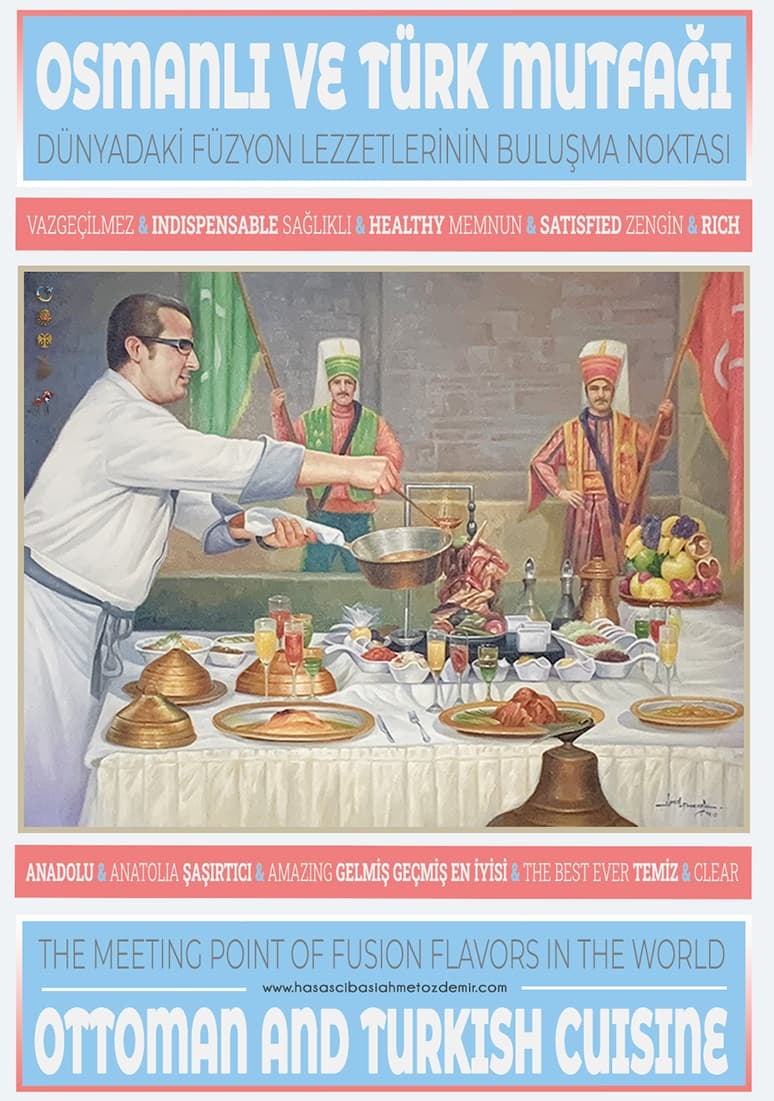
Ottoman palace records and ceremonial practices demonstrate the prestige of baklava. The famous baklava procession associated with the Janissaries linked food with state ceremony, military organization and public spectacle. Baklava also appeared at feasts, celebrations and elite tables.
As production expanded beyond the palace, cities and regions developed distinct preferences. Tray size, nut variety, folding style and syrup density became markers of local identity. This diversity should be acknowledged rather than reduced to a single recipe.
From heritage to modern service
Modern restaurants may present baklava in smaller portions or combine it with contemporary plating, but the essential technique must remain credible. Excessive filling, heavy syrup or inappropriate storage can weaken the product. Historical identity is strengthened through accurate terminology, quality ingredients and trained pastry staff.
Within professional menu consulting, baklava should be evaluated for portion cost, production time, holding conditions and guest expectations. A culturally important dessert deserves the same operational discipline as any main course.

Baklava remains powerful because it combines craftsmanship, celebration and regional memory. Protecting this heritage requires both historical care and professional standards.
Chef Ahmet ÖZDEMİR
International Restaurant Consultant
International Culinary Consultant
International Hotel Kitchen Consultant
International Restaurant Setup Consultant
- www.restorankurulumu.com
- www.hasascibasiahmetozdemir.com
- www.gastronomyconsultation.com
** All rights reserved ©. This article may not be copied, reproduced, or published on another website without the written permission of Chef Ahmet ÖZDEMİR. It may be used in academic studies with proper attribution.